
Documentary project
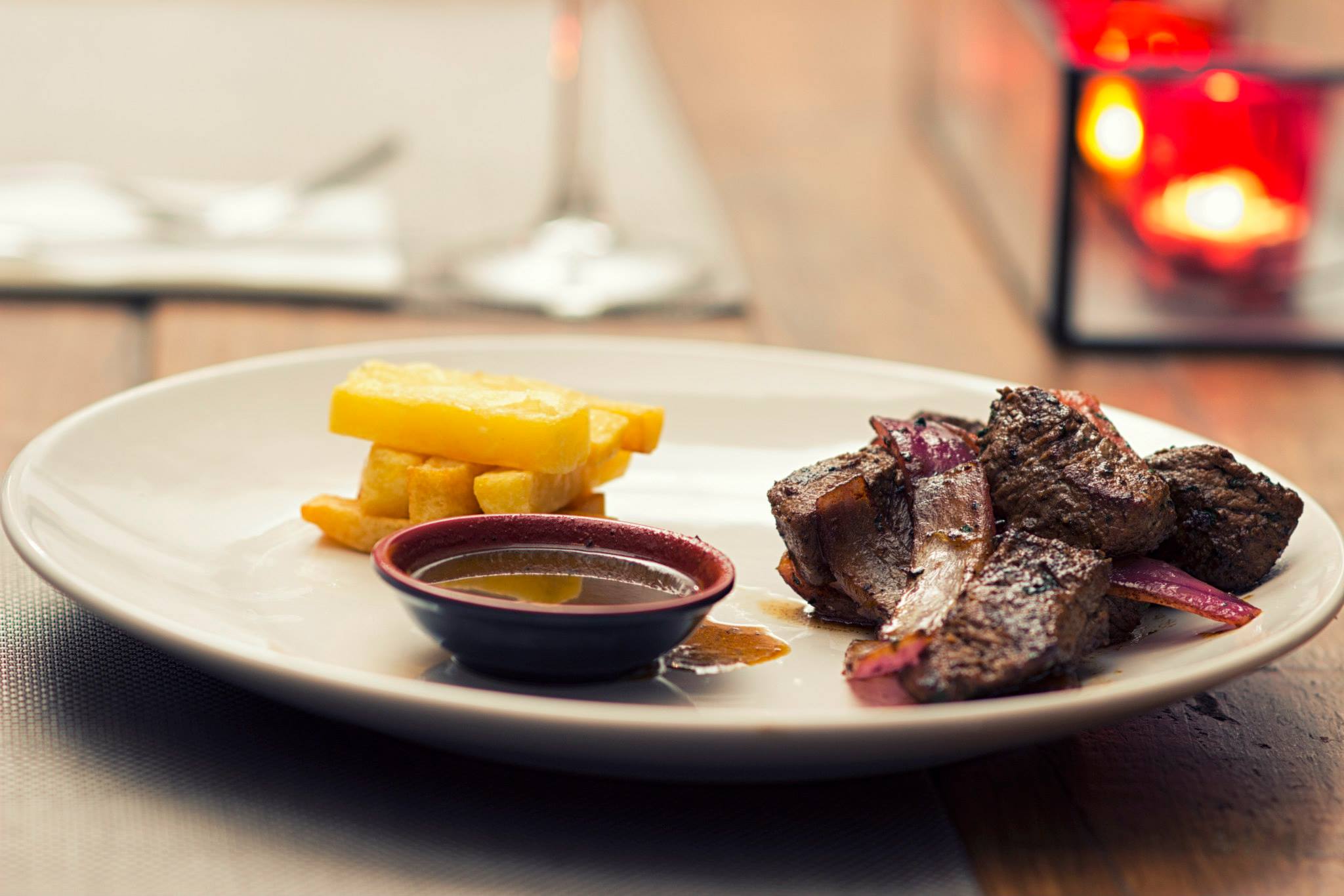
Peru Made in Barcelona
ROLE
Solo Researcher
Duration
8 month
Methods
Ethnographic Interviews
Participant Observation
Having lived abroad from Peru for many years, this project became a way to reconnect with my roots. At the time, Peru was making international headlines for its cuisine and chefs like Gastón Acurio. But Peruvian food had always been exceptional; I grew up with it.
When I learned that high-standard Peruvian cuisine was reaching Barcelona, I saw an opportunity to explore something deeper.
Initial Research Question:
What does it mean to bring your culture to a new place? How does that shape identity for those living far from home? What drives Peruvian chefs to open restaurants in Barcelona?
Exploratory Research & Question Refinement
I began with secondary research: watching documentaries about Peruvian gastronomy, reading about the international recognition it was receiving, and understanding the cultural role of food in Peru.
Through this initial research, I realized the project scope needed to expand. This wasn't just about restaurants or culinary techniques—it was about cultural identity, pride, and how food serves as a bridge between worlds.
Refined Research Question: What does it mean to bring Peruvian culture to Europe through cuisine, and how does this connection to roots shape identity for those living abroad?
Participant Recruitment
I contacted multiple Peruvian restaurants in Barcelona, reaching out directly to chefs and restaurant owners. Recruiting required persistence and clear communication about the research purpose; I needed them to understand why their perspective mattered.
Target participants: Peruvian chefs and restaurant owners operating in Barcelona
Key research areas:
Why did they choose to work with Peruvian cuisine in Europe?
What it meant to them to represent their culture abroad.
How they maintained authenticity while adapting to a new market.
What pride or challenges came with being cultural ambassadors?
I handled all logistics, scheduling, and communication independently, learning to balance persistence with respect for busy professionals.
Data Collection
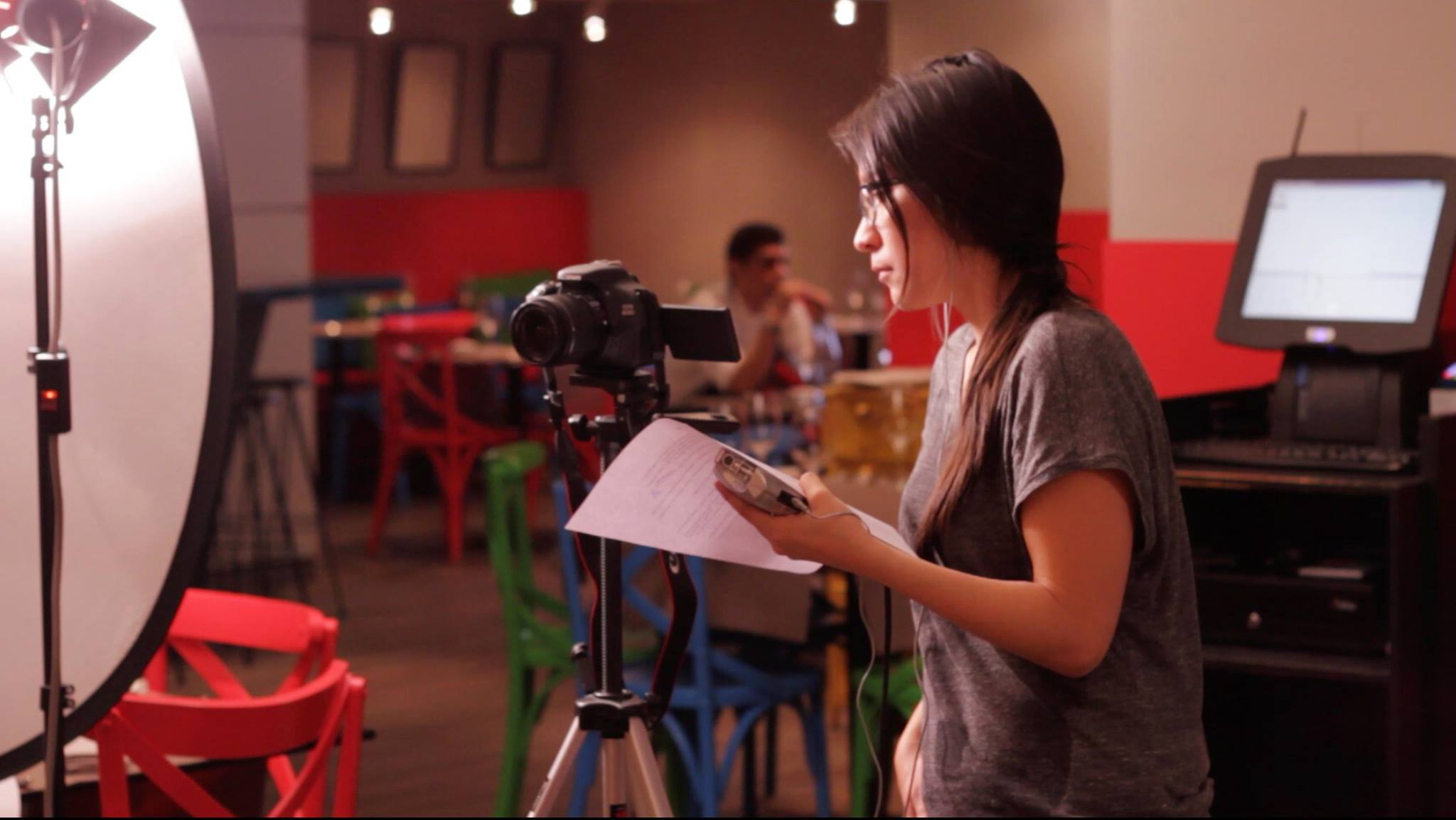
I conducted all interviews solo, which required managing multiple simultaneous roles: asking questions, actively listening, adapting follow-up probes in real-time, and capturing observational data.
Interview approach: Semi-structured conversations that allowed participants to share their stories organically while ensuring key themes were explored.
The critical shift in questioning: I moved beyond functional questions ("How do you adapt recipes?") to emotional motivations ("What does cooking this dish mean to you?"). This revealed the deeper layer: food wasn't just their profession, it was cultural preservation, a connection to home, and a way to share something they loved with people who might never visit Peru.
Key insight from fieldwork: Food functioned as a metaphor for identity itself. Every dish carried history, memory, and belonging.
Analysis & Synthesis
After collecting hours of interview data, I faced the synthesis challenge: What story emerges from these individual narratives?
I edited and refined multiple versions, testing different thematic structures. The goal was authenticity to participants' experiences, not just my own perspective as a Peruvian abroad.
Working solo meant actively seeking external validation: My academic advisor and an external partner reviewed drafts to ensure my interpretations were grounded in the data, not just my assumptions.
Cuisine as cultural preservation
Traditional dishes served as the most tangible connection to home for those living abroad.
Ingredient sourcing challenges
Chefs built creative import networks to access authentic Peruvian ingredients unavailable in Barcelona.
Validation through recognition
International acclaim confirmed what chefs always knew about their cuisine's value.
Permanent global status
Peruvian cuisine achieved lasting recognition alongside Italian and Mediterranean traditions.
Primary output
20-minute ethnographic video documenting chef narratives and culinary practice.
Distribution:
Published on YouTube, shared within Barcelona's Peruvian community and gastronomy networks.
Reception:
Strong response from the Peruvian community in Barcelona, with participants and community members expressing that the work made them feel seen and represented
Non-Peruvian viewers reported gaining new appreciation for the cultural significance of ethnic restaurants—not just as places to eat, but as cultural spaces maintained by people far from home.
Used as an example of ethnographic research methodology in academic contexts.
On research design:
Research questions should evolve as you learn—what you think you're studying often reveals deeper layers.
Solo research requires deliberate checks against personal bias.
Personal connection to a topic can deepen research if you remain rigorous about methodology.
On methodology:
Asking about emotional motivations ("What does this mean to you?") reveals insights that functional questions miss.
Working alone means building accountability structures—external feedback becomes essential.
Ethnographic methods capture context that interviews alone cannot.
On findings:
Identity and belonging are powerful drivers of behavior.
Food is rarely just about food—it carries meaning that connects to self-concept and cultural continuity.
Understanding how people connect their actions to their sense of self unlocks deeper insight into motivation.