The Circular Style
A mobile app making Sustainable Fashion More Accessible
THE PROBLEM
How might we make sustainable fashion feel accessible and transparent—without overwhelming users?
Many people in the Netherlands want to shop sustainably, but feel it’s too expensive or complicated. Second-hand stores also lack visibility. I wanted to create a tool that made ethical fashion feel approachable, local, and worth switching for.
Key barriers
Lack of awareness about the environmental and social impacts of fast fashion.
The perception that sustainable fashion is expensive.
Second-hand shops lack centralized platforms, relying mostly on social media or general resale apps like Vinted or Depop.
THE SOLUTION
The Circular Style, helps people shop smarter and greener with easy access to ethical brands, local second-hand shops, and real discounts.
Targeted at environmentally conscious people aged 25–60 living in Europe, the app challenges the myth that sustainable fashion is expensive or inaccessible—especially for young professionals.
THE PRODUCT

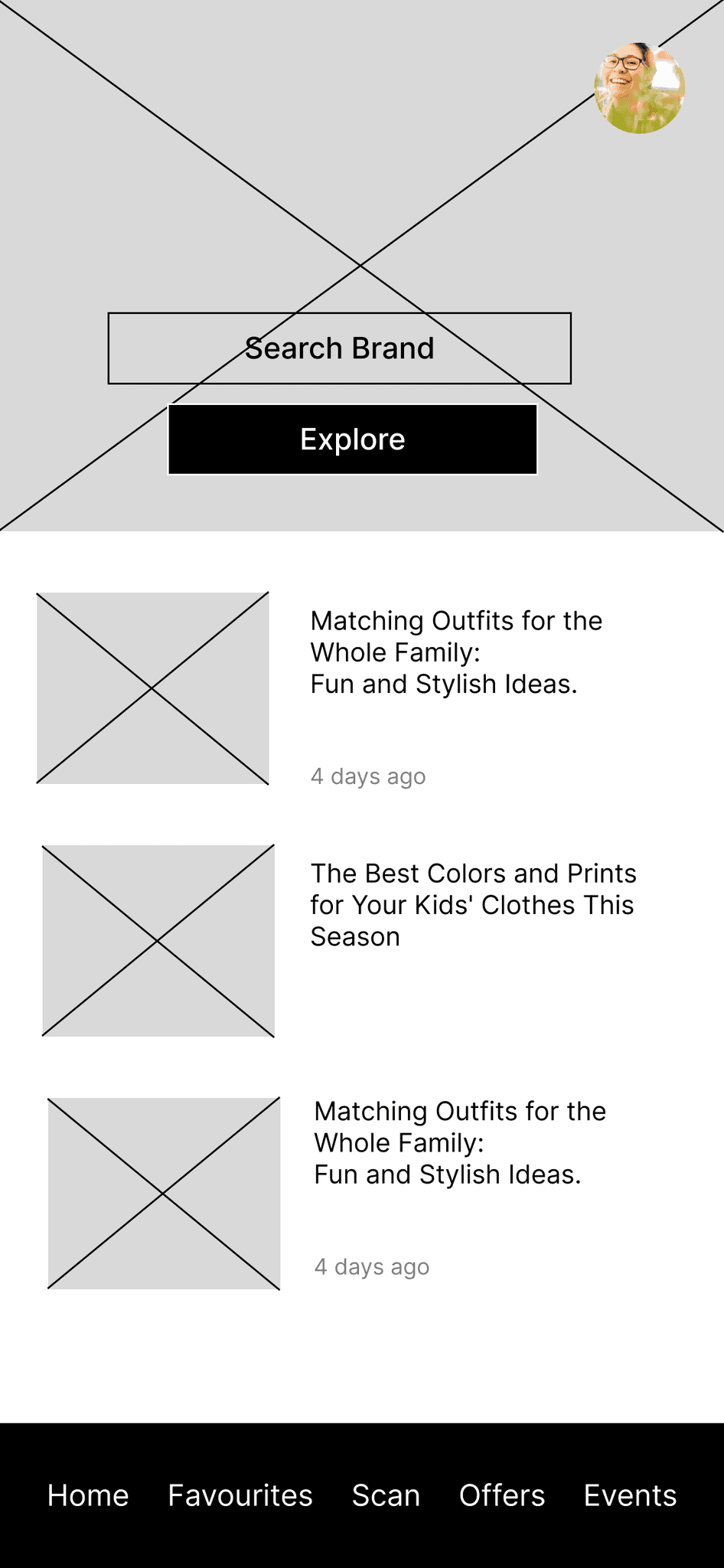
Home Screen
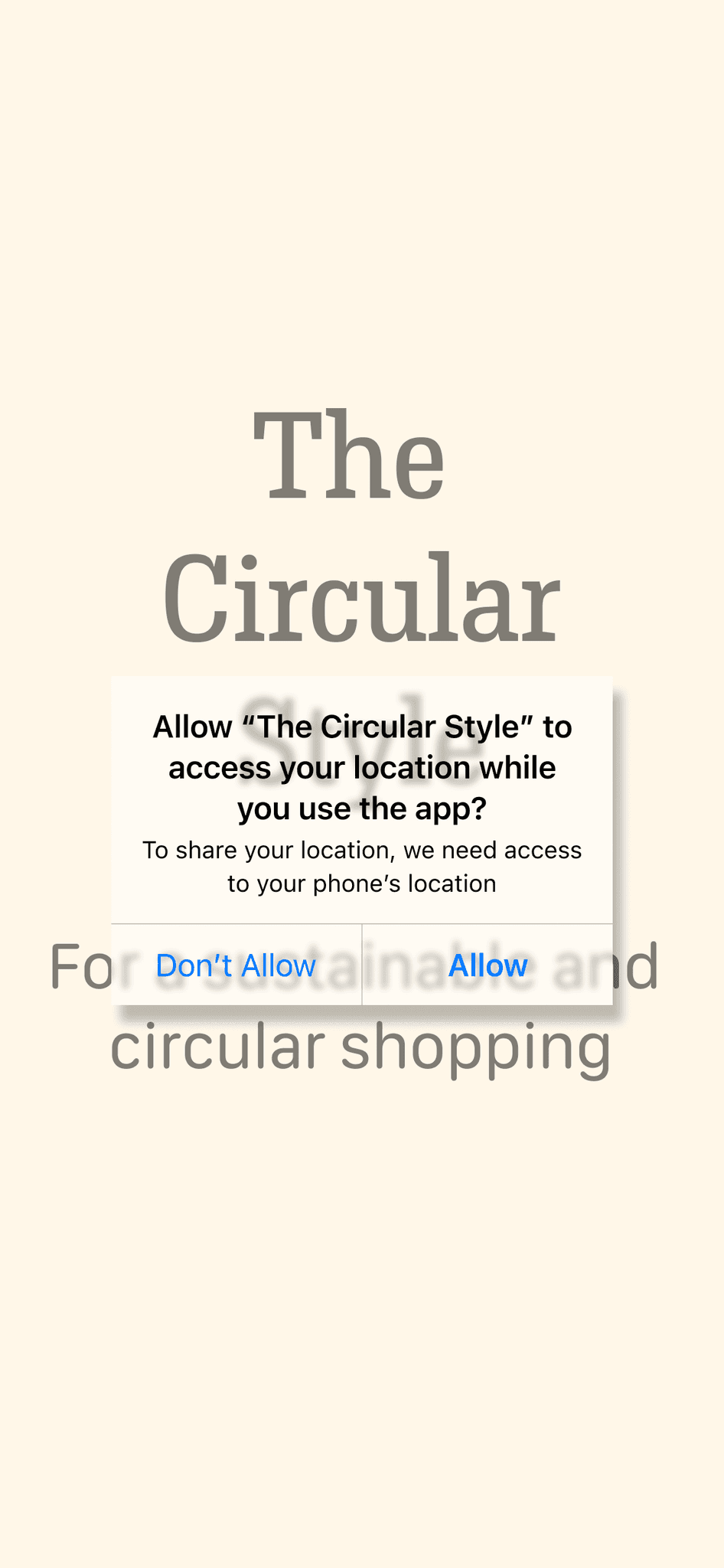
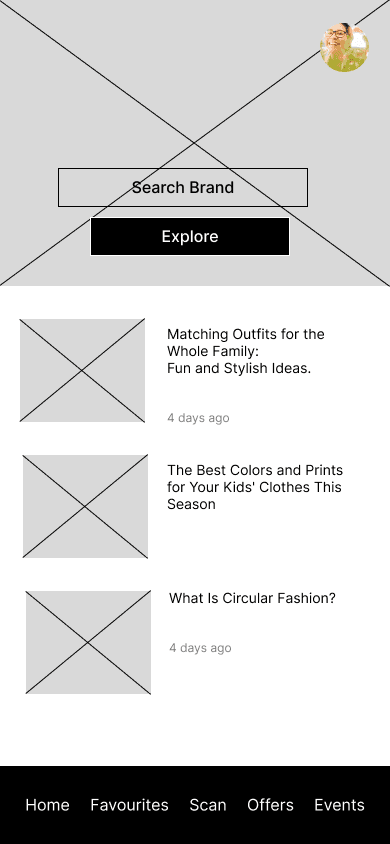
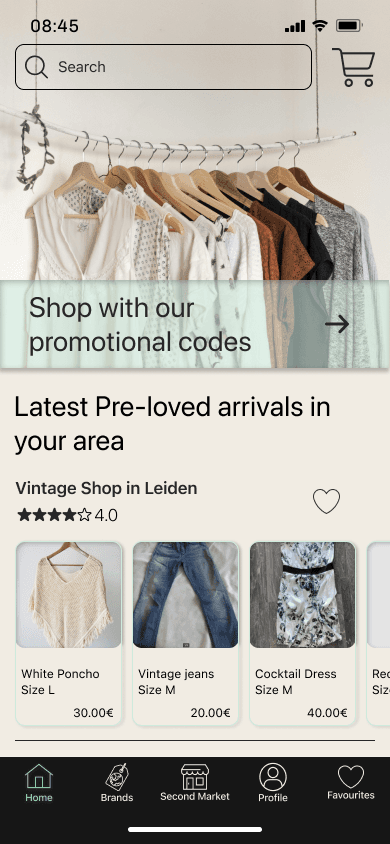
Easily access discounts with a big button, locate nearby shops based on your area, and enjoy a clean, straightforward interface for seamless shopping.
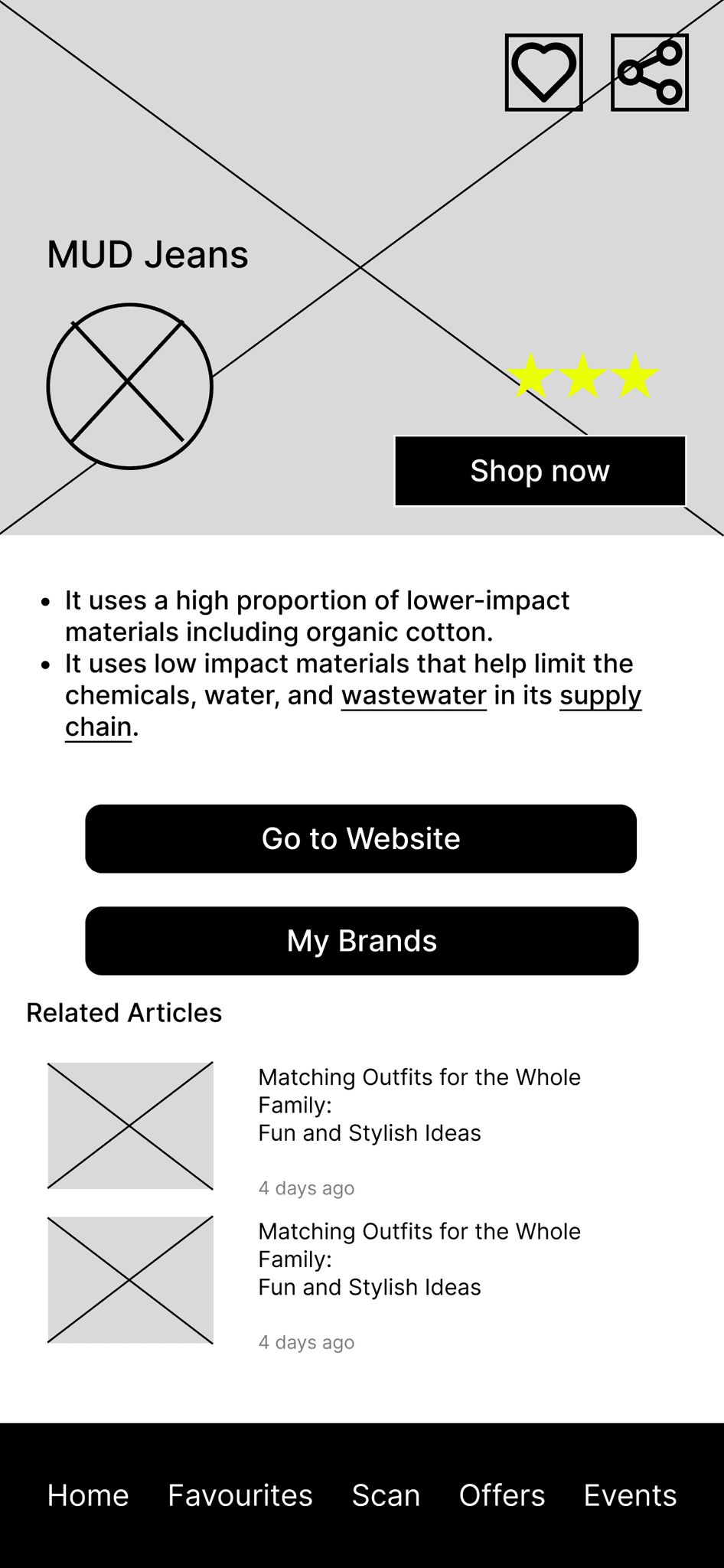
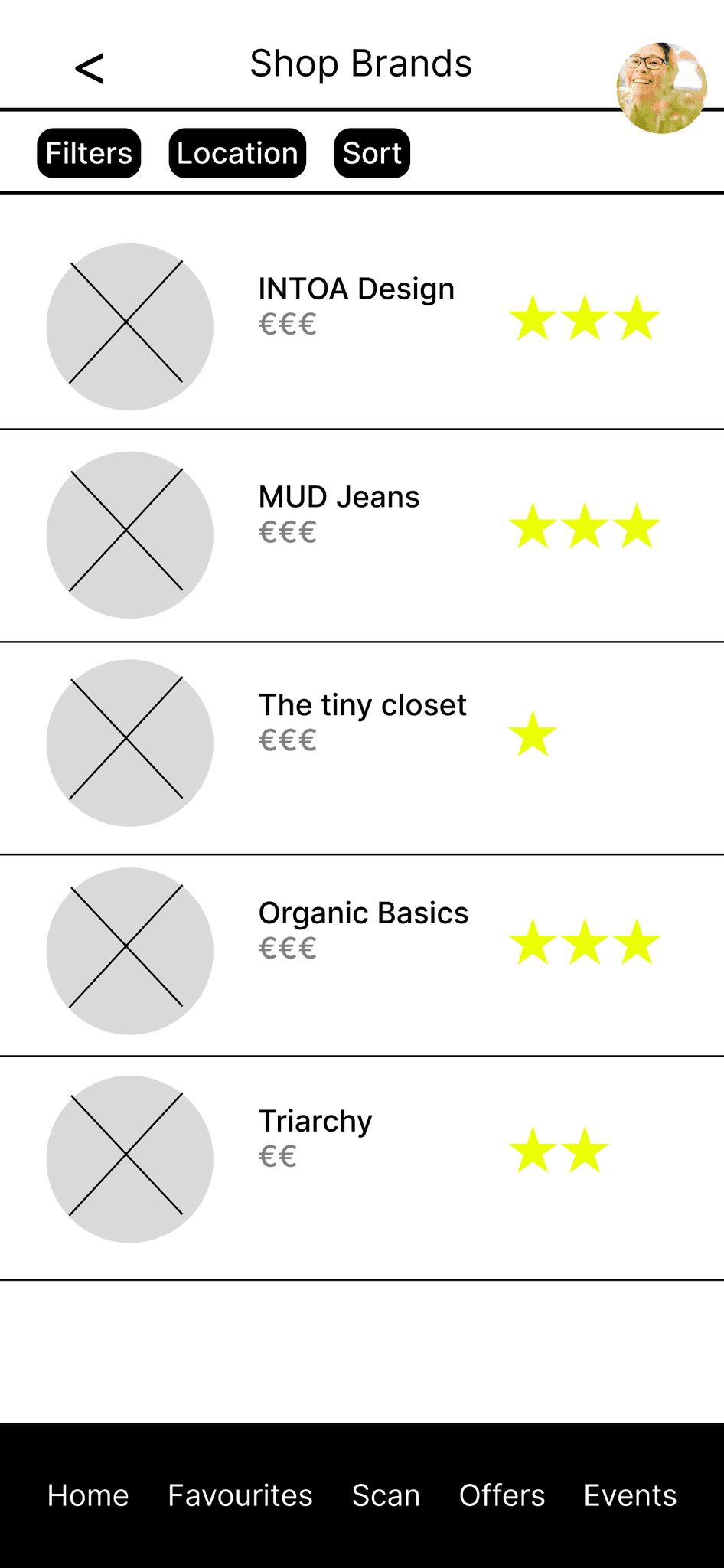
Brand Directory
Browse brands in alphabetical order, save your favorites with a simple "like," view basic information and ratings at a glance, and find any available discount codes. Dive deeper into brand details with a "Read More" option and easily access their websites.


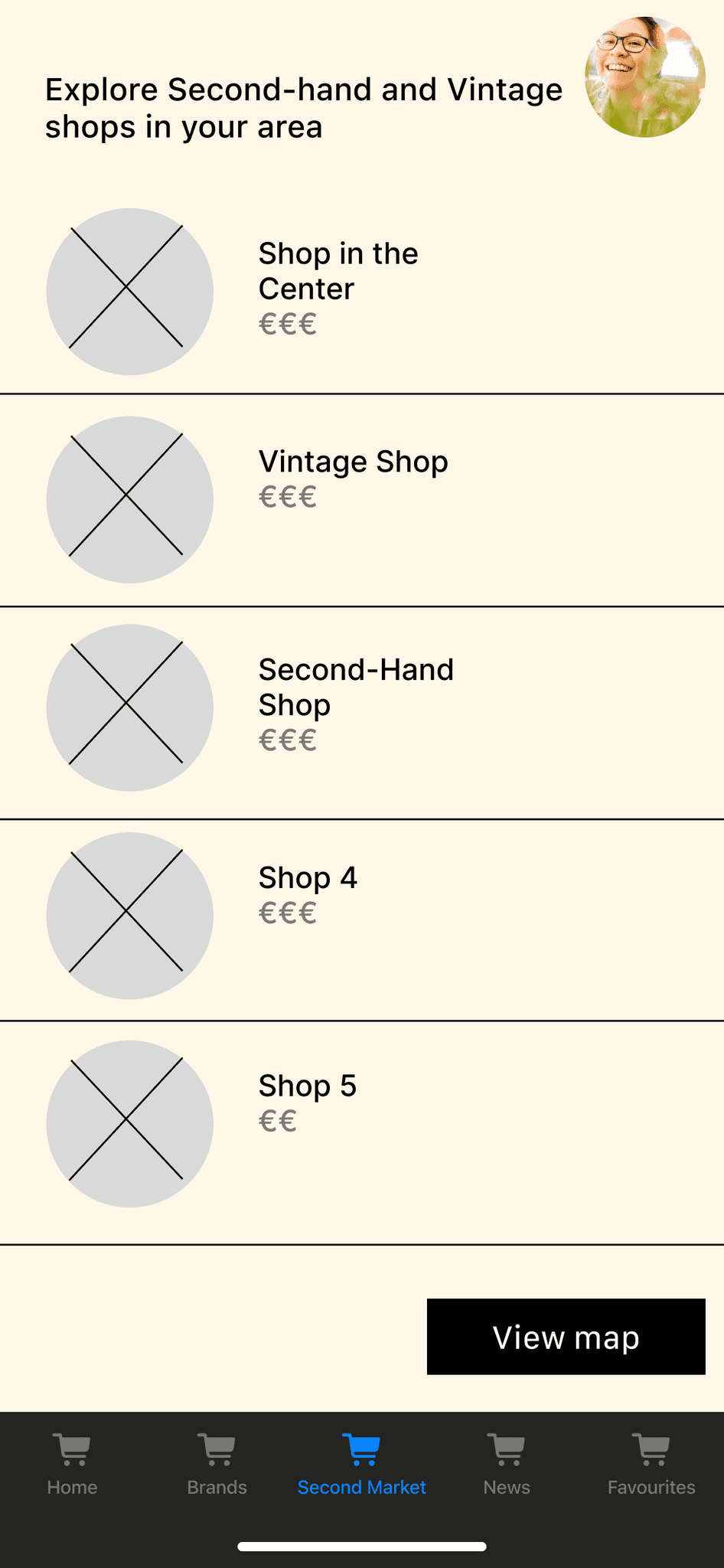
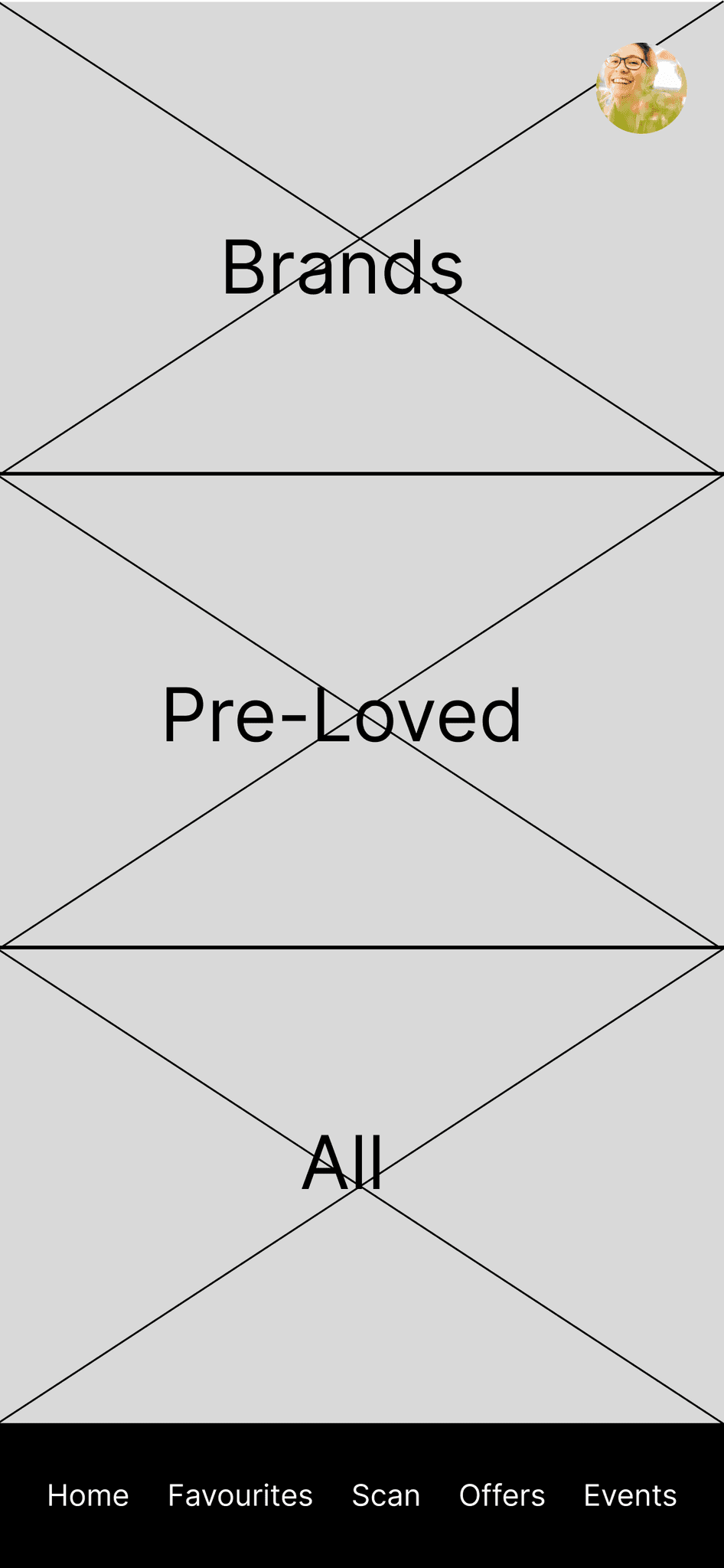
Second-Hand Market
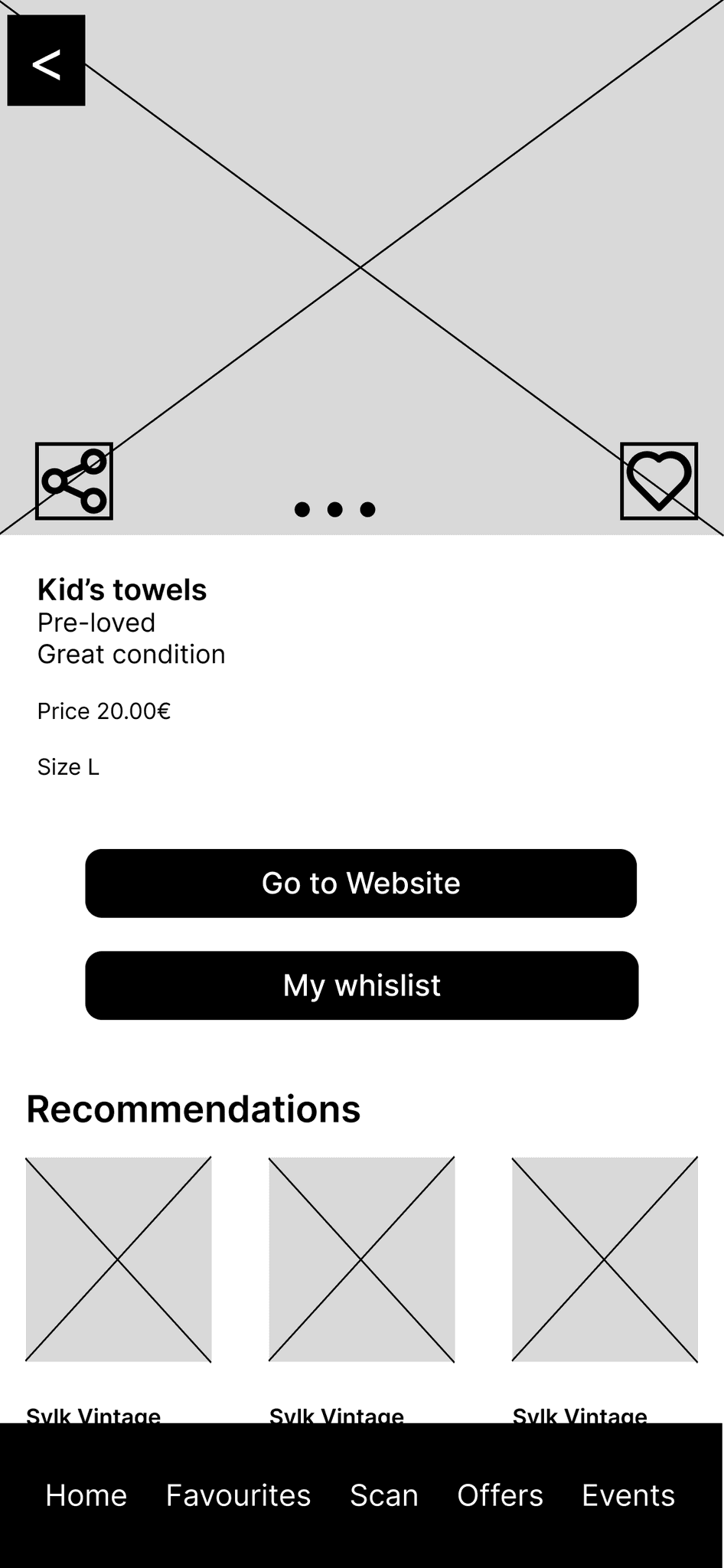
Quickly find second-hand shops near you using your location, switch to map view for easy navigation, and view essential shop information with various labels. Save your favorite garments and contact shops effortlessly.
DISCOVERY
Through surveys and interviews with fashion-conscious users in the Netherlands, I uncovered key insights into sustainable shopping habits and gaps in the market.
Research Insights
45 + Survey responses
5 in-depth interviews
Competitor review:
Vinted, Depop, Good on You
What I discovered
"Sustainable fashion feels out of reach."
Many people told me they want to shop sustainably—but feel it’s too expensive or exclusive. I knew we had to make it more appealing, after some iterations I came up with the accessible discounts on ethical brands.
"I don’t really know what makes a brand ‘sustainable’."
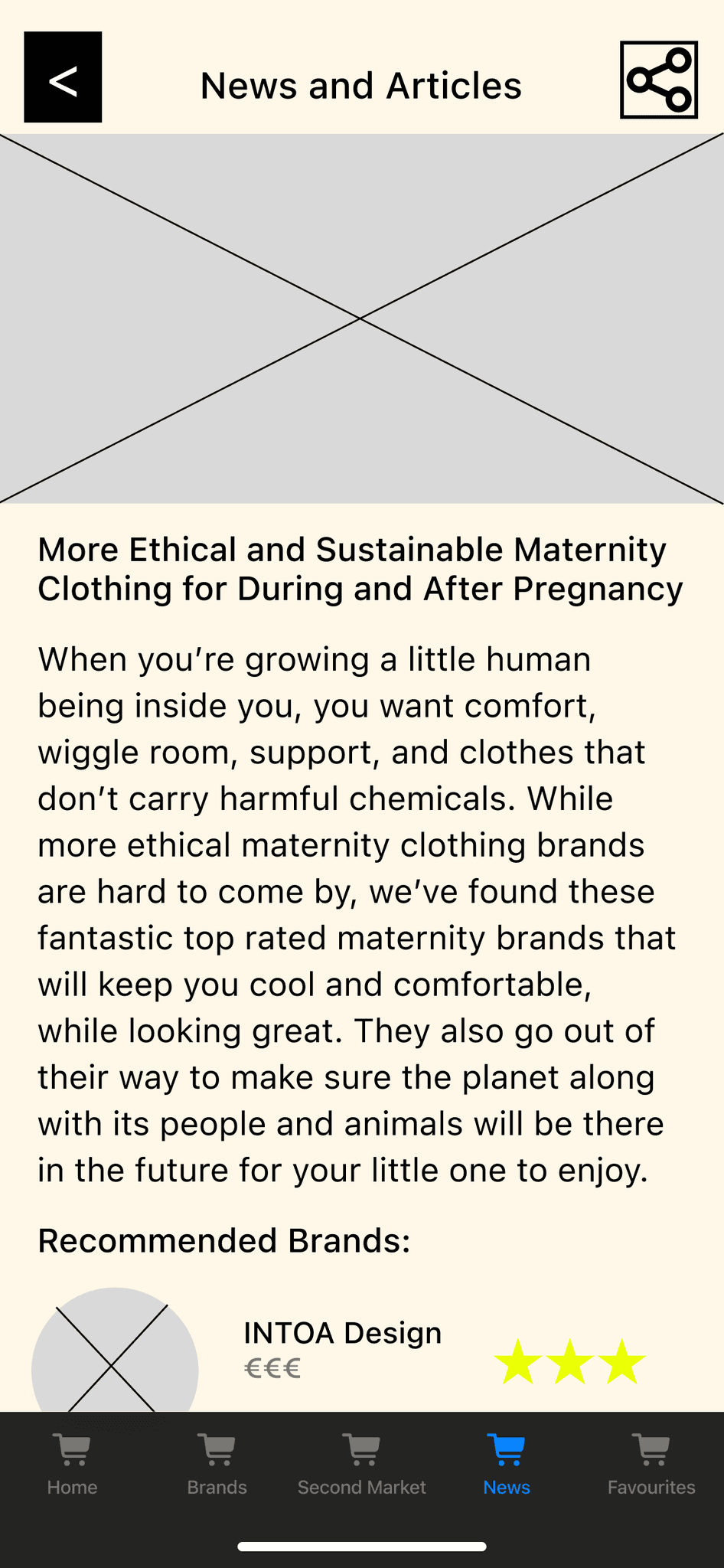
There was a lot of confusion—and skepticism—about what brands actually do to be ethical. That’s why each brand profile includes clear sustainability ratings and transparency at a glance.
"I never know where to find second-hand stores."
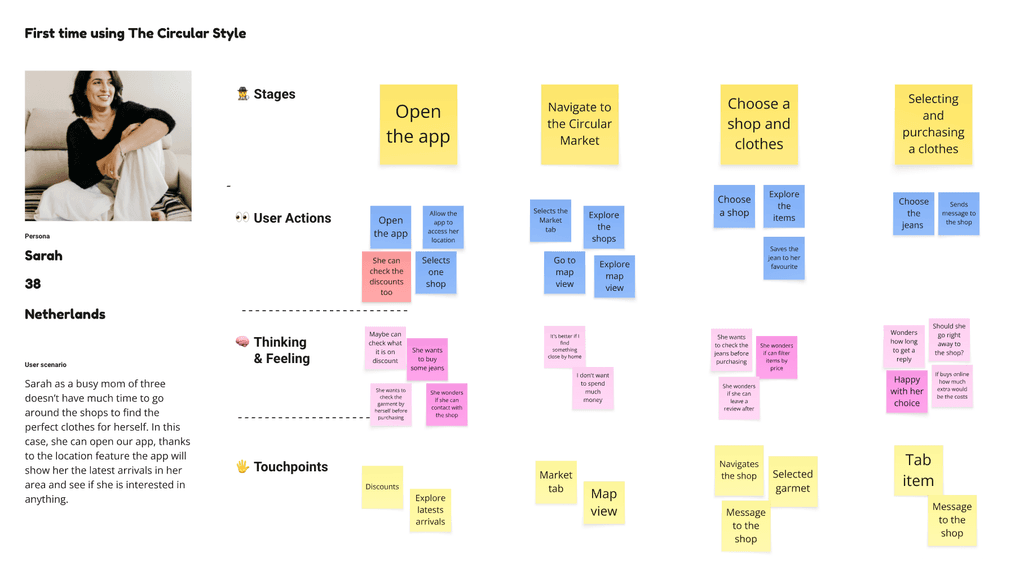
Despite good intentions, users struggled to actually locate second-hand shops nearby and find them time consuming. So I added a local directory to make second-hand shopping easier, more visible, and community-driven. One the last features to add was to message the shop for easily communication.
IDEATION
The Turning Point: From Overwhelm to Focus
As I gathered insights from interviews and research, I felt inspired—and a little overwhelmed. There were so many good ideas: brand ratings, discounts, education, second-hand directories, even community features. I wanted to build it all.
But something wasn't working.
I kept circling back, sketching new flows, tweaking the layout. Still, it felt too big—like I was designing for everyone and everything. And that’s when it hit me: I was losing sight of my North Star.
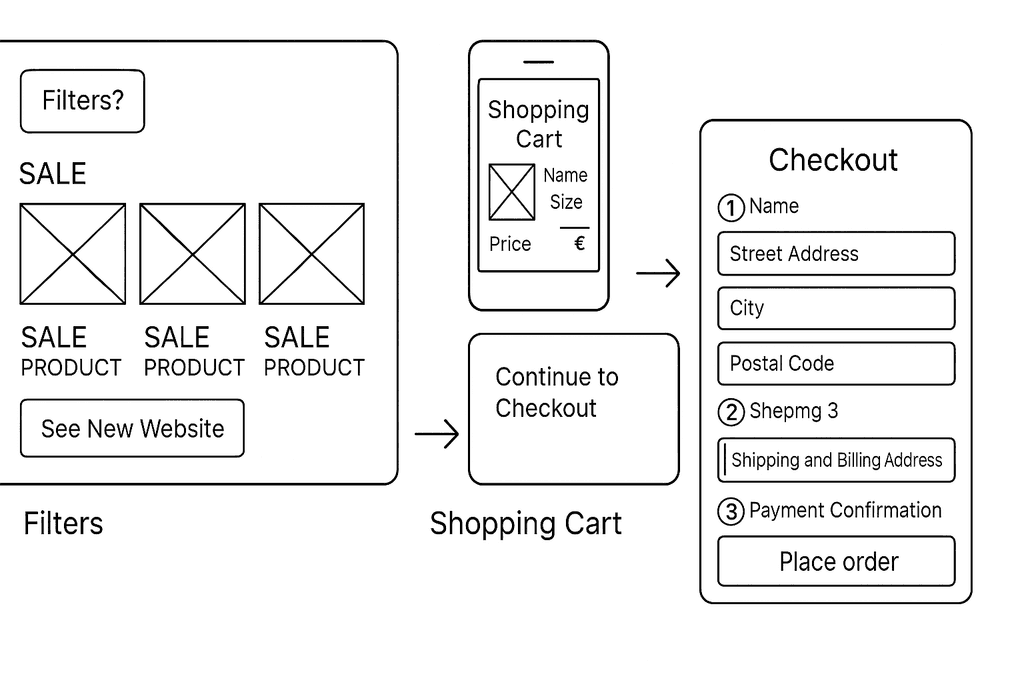
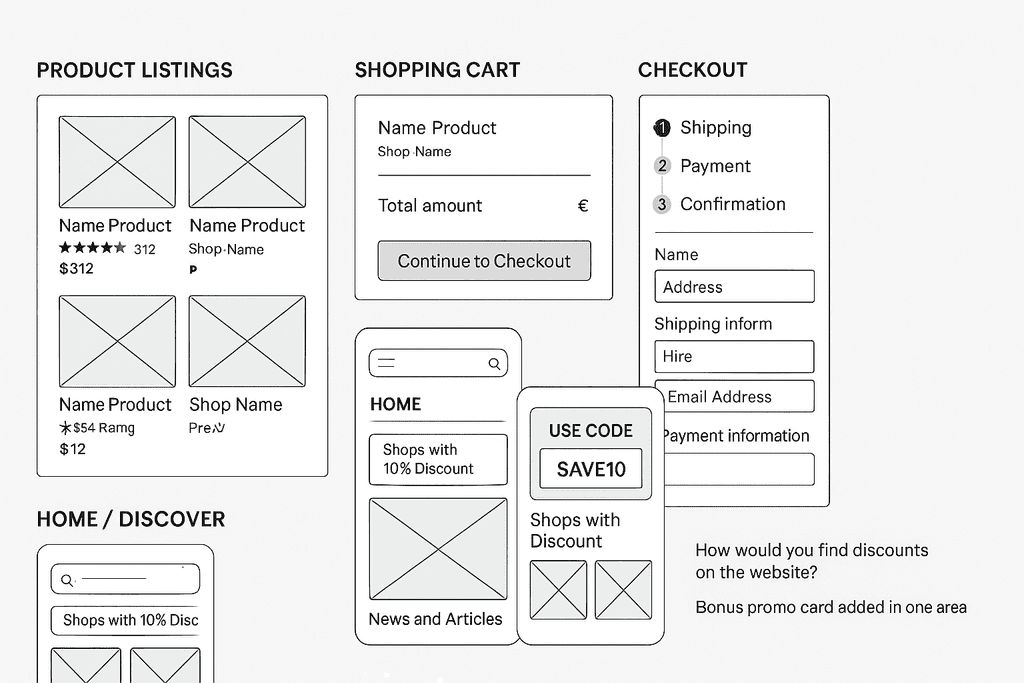
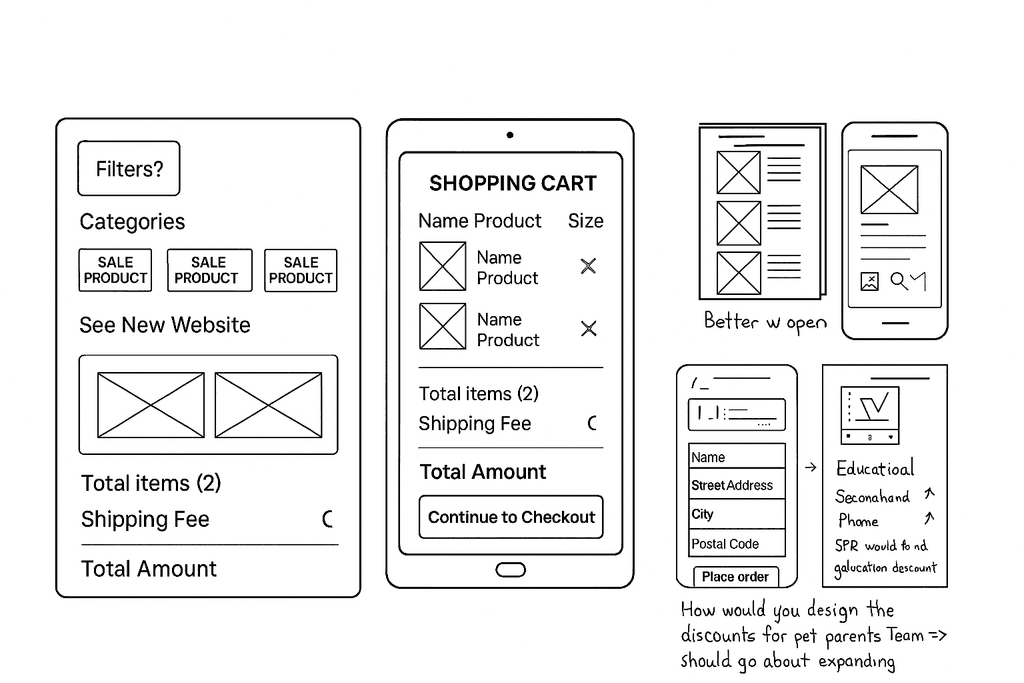
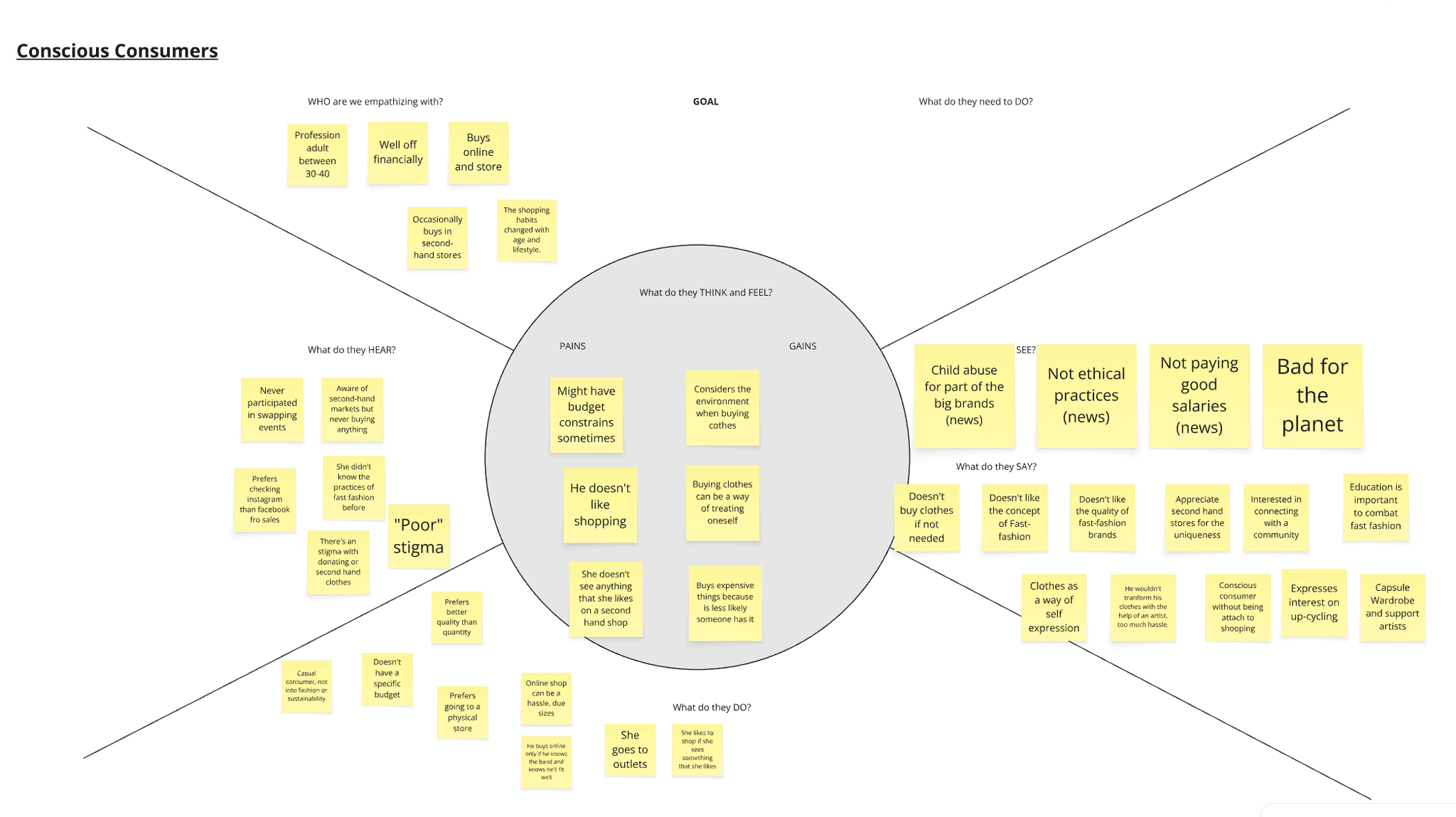
So, I paused. I watched again the interviews and read the quotes, built an affinity map, and sat with the data. Patterns started forming. Users weren’t asking for more. They were asking for clarity.
Remember the North Star
“The participant is unsure about how to combat fast fashion. He believes that fighting against child labor in clothing production and supporting ethical fashion would be great for society.”

“Finds slow fashion and vintage appealing but acknowledges the challenges of affordability and labor costs. She feels that sustainable fashion is often more expensive and time-consuming.”

“She prefers practical tips and actions rather than preachy messages about sustainability. The participant is concerned about the low usage of clothing items and tries to ensure their children wear them enough.”
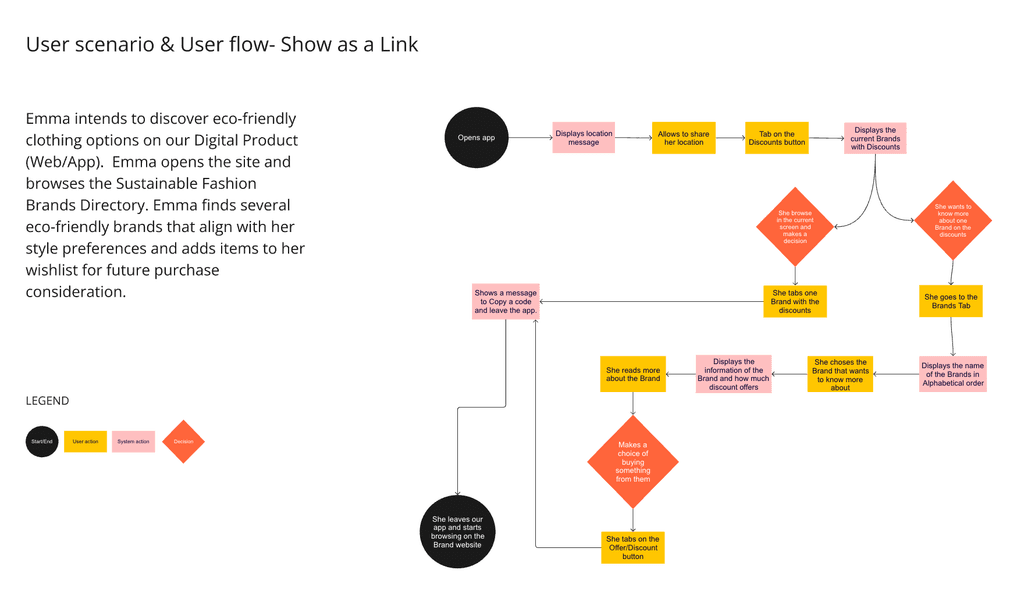
That was the moment, I reframed the project from a “sustainable fashion hub” into a simple, useful app that answers three real needs:
Find local second-hand shops.
Know which brands are ethical.
Get discounts that make it doable.
Once I had that clarity, everything clicked. I went back to my sketches and refined the user flows.
EXECUTION
By narrowing my focus, I decided to deliver only the basic features that are essential for my product's success.
Early Designs
UI DESIGN
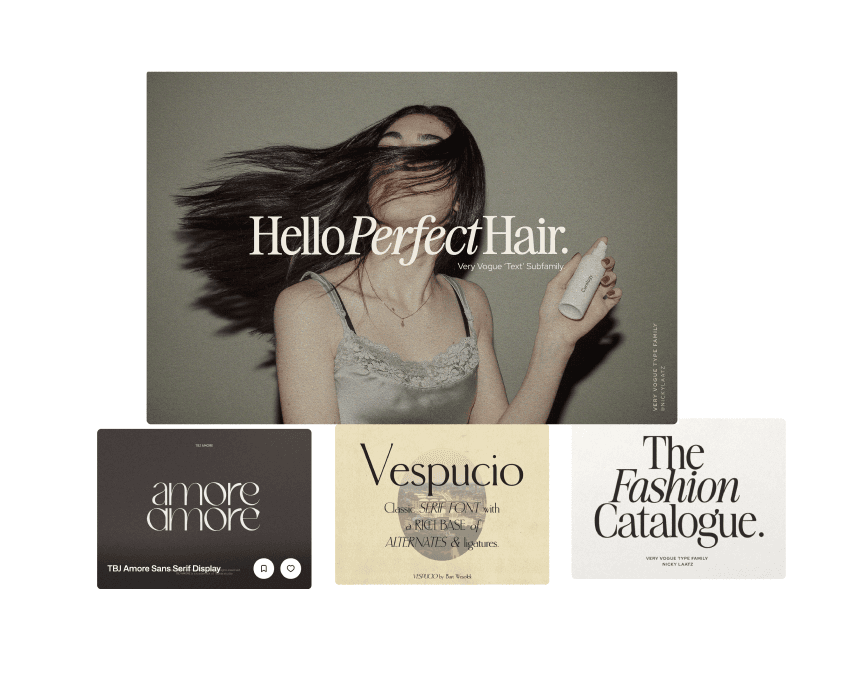
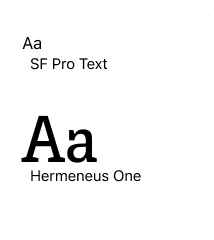
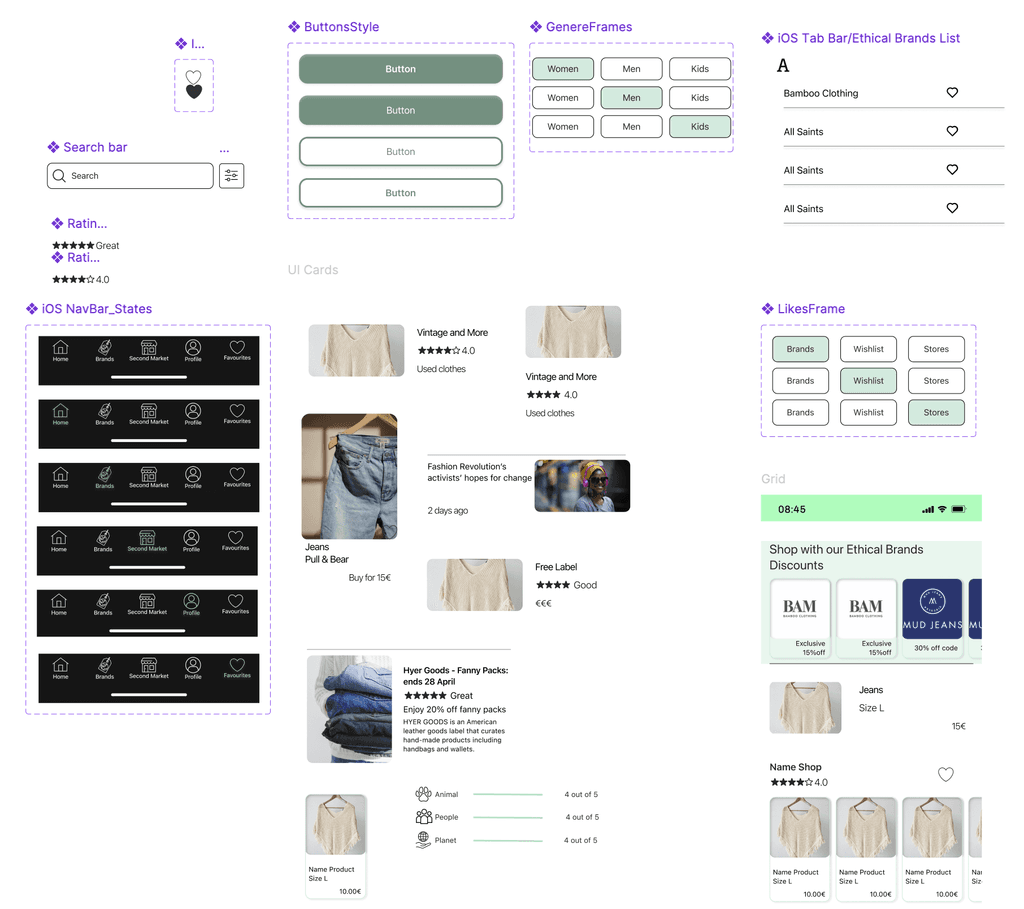
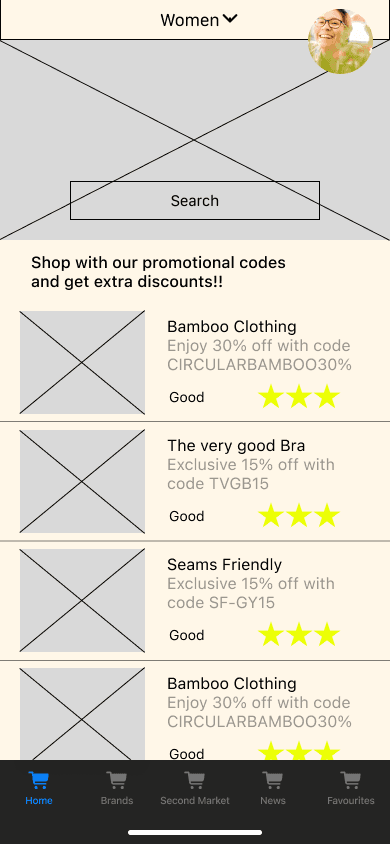
I started out by taking inspiration from apps like Good on You and MeetUp to design the wireframes.
One of my main focus was that the elements were clear for accessibility purposes and that the buttons had a good space in between.
VALIDATION STAGE
While it was uncomfortable to watch users struggle, their honest feedback—and encouragement about the app’s clarity, layout, and usefulness—gave me valuable insights and the motivation to keep improving.
Testing Priorities
Second-hand Shop Page and e-commerce Page, should be one or separate?
How would the user interact with the second-hand shop? What kind of information would they need?
For the second-hand shop, do they prefer to buy on-site or through the app?
Do we need an in-build e-commerce for the Ethical Brands, or does the user prefer to buy from their website?
Pain Points:
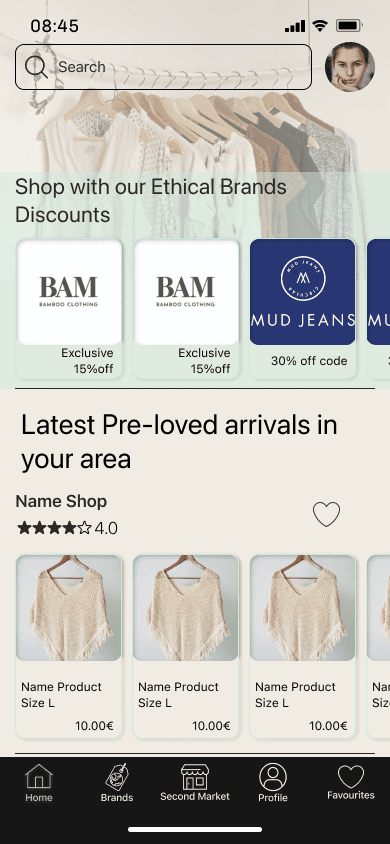
Simplified content: Reduced text on key pages (Home and Brand) to improve scannability and keep users focused on essential actions.
Improved visibility of value: Highlighted discounts more clearly and organized content into clusters for easier access.
Enhanced shopping experience: Introduced a cart icon with a streamlined checkout flow, offering both in-app and in-person purchase options.
Added interactivity: Enriched the second-hand shop page with social icons, like features, and external links for users seeking more details.
Successes:
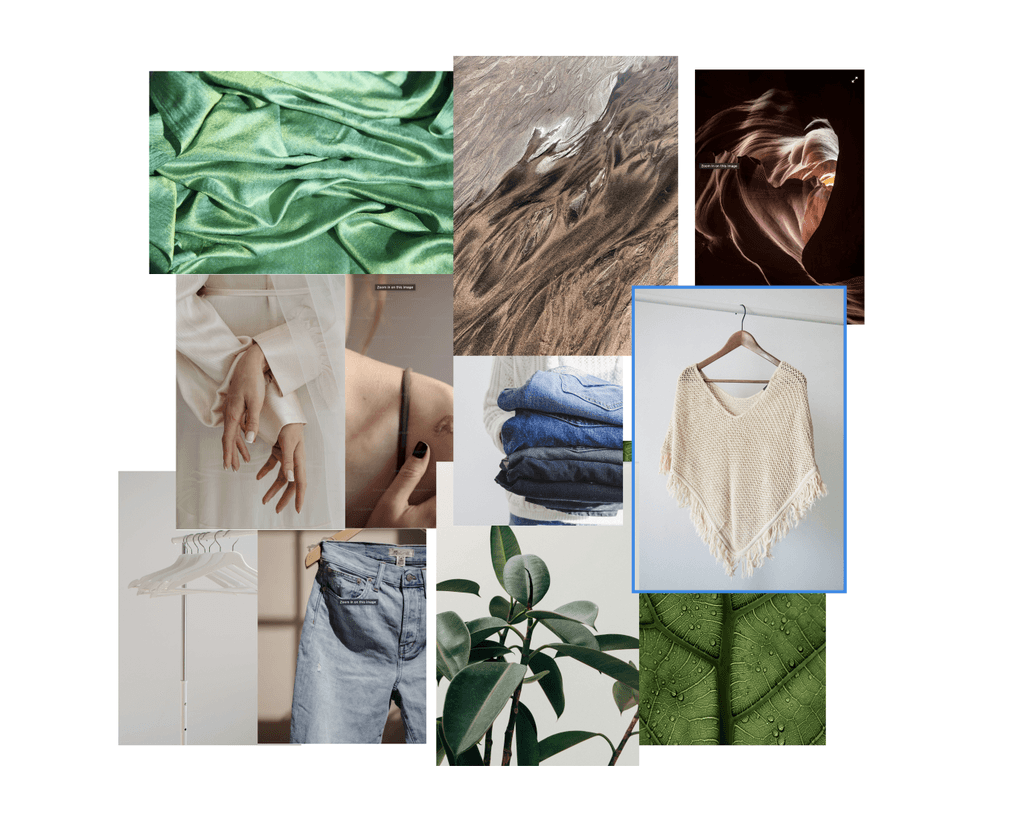
Strong visual consistency: Users praised the app’s color choices and layout, highlighting a clear and cohesive experience.
Clarity in design: The interface was described as well-composed and easy to navigate.
Discount feature validated: Users found the discount section especially helpful and relevant.
Flexible shopping preferences addressed: Feedback confirmed the value of offering both in-app and in-person purchase options, especially for the second-hand market.
REFLECTIONS
It was a real Odyssey—not just about UX/UI or sustainability, but about learning to trust myself, be resilient, and create something with impact.
This project was a huge personal milestone. It marked the beginning of my career transition into UX/UI—and taught me that with the right intention and grit, I can design for meaningful change.
Challenges Faced
Overthinking slowed early progress.
Delayed usability testing made feedback loops harder.
Working solo meant managing both doubt and direction.
I overcame this by reminding myself of my mission—to help others live more consciously—and through guidance from my mentor.
What I Learned
Time management and roadmap planning are crucial.
Don’t wait for perfection—test early and often.
Trust the process and your intentions.